
What’s going on here?
This week the Government announced a new proposal which will aim to more than double the waters protected from bottom trawling in England’s Marine Protected Areas (MPAs). – from 18,000 km2 to 48,000 km2.
What does this mean?
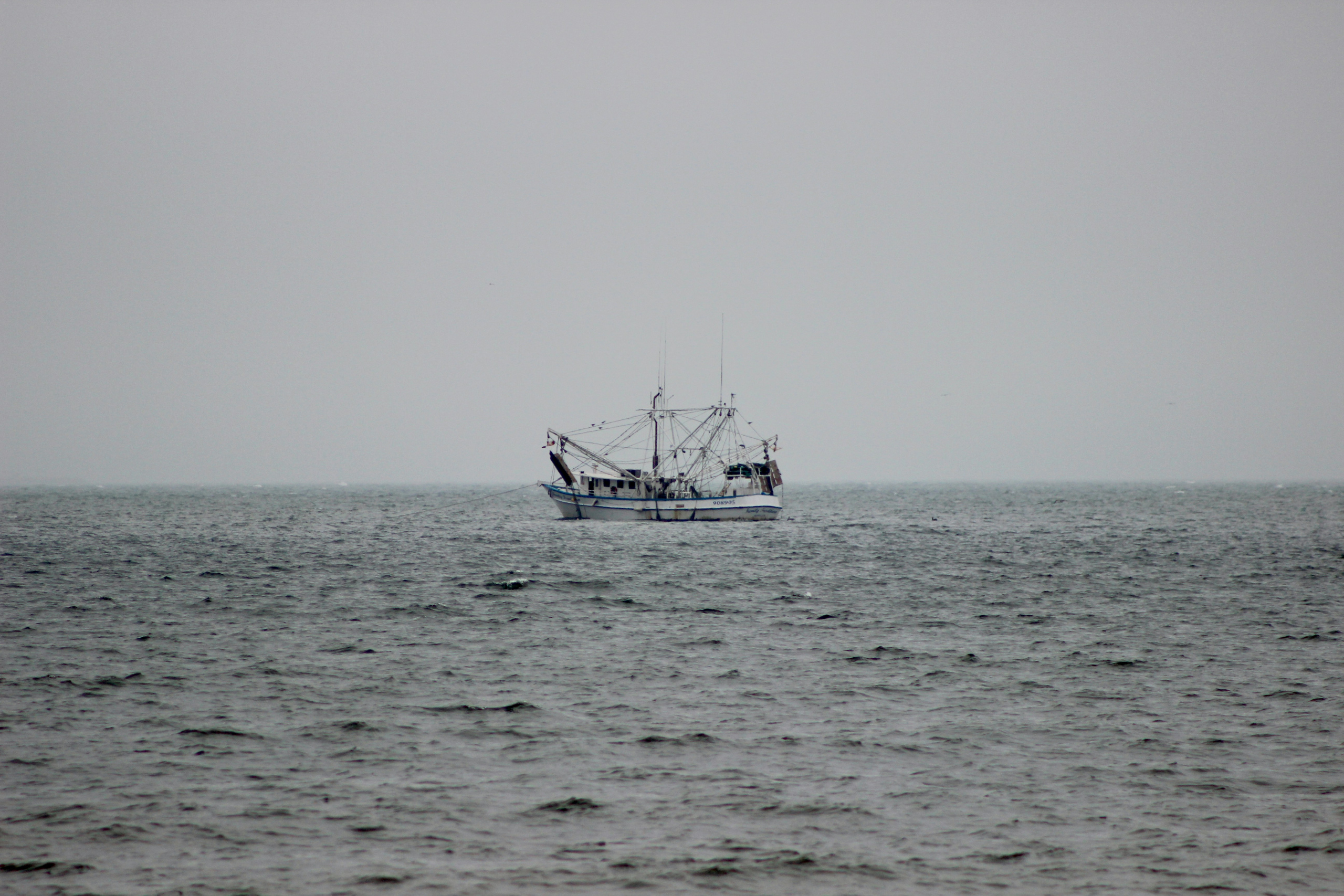
Bottom trawling is one of the most destructive and inefficient fishing methods used. It involves dragging a net weighted by a heavy chain or beam across the seabed, scooping up sea creatures indiscriminately. Bottom trawling specifically is associated with extremely high levels of bycatch: marine animals caught unintentionally whilst fishing commercially, with up to 75% being discarded.
The weight of the trawl also creates permanent damage to marine habitats as well as wildlife, such as corals, sea fans and sponges. Stirring up sediment and mud also releases valuable blue carbon stores, actively increasing carbon dioxide emissions. The same areas are often trawled repeatedly, eliminating the opportunity for ecosystem recovery.
Bottom trawling is not prohibited in MPAs, undermining the credibility of the conservation measure and consequently they are being labelled as mere“paper parks”.
Why should we care?
The more ocean protected the better, and this particularly applies to Marine Protected Areas thanks to the “spillover” effect. The movement of sea creatures and their larvae in the water means they are not confined within the boundaries of protected areas. This means that if areas of the sea are properly protected the benefits ‘spill over’ into the surrounding waters, supporting ecosystems, fisheries and tourism.
So why now? This ban has come in response to rising pressure and public awareness. David Attenborough’s latest film, Ocean, featured rare underwater footage of bottom trawlers in action; crashing their way across the seafloor. In a moving and powerful departure from his well-known, nostalgic marveling at nature’s biodiversity, Attenborough exposed the destruction of bottom-trawling head on. The proposal also proceeds the UN Ocean Conference, taking place between the 9th and 13th of June in Nice, France.
The proposal is a welcome and much needed step, bringing the number of English MPAs covered by the ban from 4 to 41. However, there is more to be done. Given that there are 377 MPAs in the whole of the UK (and 181 in England), the majority of marine protected areas are still at the peril of destructive bottom trawling activities.
Be Curious!
- Watch Blue Marine Foundation’s new satirical short film on bottom trawling, starring Stephen Fry and Theo James
- Watch David Attenborough’s new film, Ocean, on Disney+ or in cinemas
- Take action and write to the UK Government to stop bottom trawling in all MPAs
- Keep up to date on the UN Ocean Conference through Blue Marine Foundation
Featured image credit: E. S. Justice via Unsplash.


