
What’s going on here?
The environmental risks of pesticides use in agriculture is a subject widely researched. Extensive studies have shown the negative impacts pesticide use can have on biodiversity, human health and ecosystems. But, for the first time, scientists at The University of Sussex have now linked harmful pesticides found in pet flea treatments to the mortality of songbird’s chicks.
What does this mean?
Pets like cats and dogs are commonly treated with insecticides to protect against fleas, with veterinarians often advising regular flea treatments as a preventive measure, even in the absence of an active infestation. These products can contain a significant amount of insecticides, many of which have even been banned for agricultural use in the EU and UK.
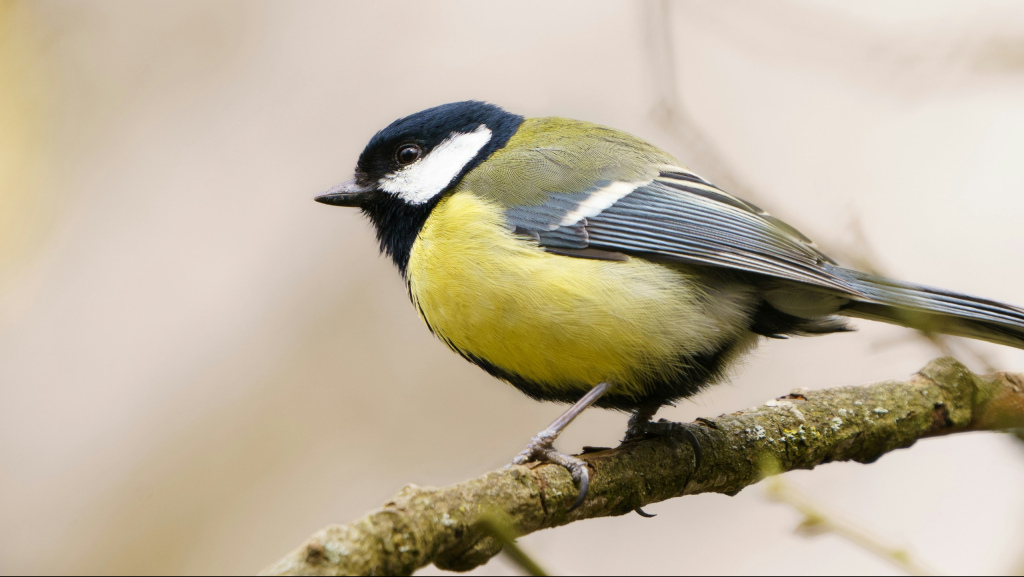
But how did these chemical substances find a way into a songbird’s nest? As do many bird species, the great and blue tit use pet fur to line their nests. Even though the effects of these pesticides on bird populations have been evaluated, the impact of contact exposure through the pet furs of companion or livestock animals is much less understood.
In the study funded by the charity Songbird Survival, scientists collected 103 nests from great and blue tits which were lined with pet fur. Their results showed that all of the nests contained fipronil and dinotefuran, two insecticides most commonly used as flea treatments in veterinary drugs.
The researchers of the study highlight that higher insecticide levels were linked to increased numbers of either dead offsprings or unhatched eggs. This finding suggests that contact exposure of eggs to insecticides may lead to mortality and lower reproductive success among great and blue tits.
Why should we care?
Avian biodiversity has been facing major threats through the climate crisis, urbanization, and forest cover changes. Since 1980, Europe has lost approximately 600 million birds, representing nearly a fifth of its bird population. In the UK, wild bird numbers continue to drop, with a 2% decrease across the UK and a 7% decrease in England over the past 5 years.
In reality, we need birds more than they need us. Birds play an essential role in the functioning of the world’s habitats, acting as natural pest control, pollinators and maintaining healthy ecosystems through nutrient cycling and predator – prey dynamics.
The findings of this study highlight the importance of implementing a risk assessment analysis of veterinary drugs in order to protect songbird populations in the UK.
Be Curious!
- Read the full study on the prevalence of veterinary drugs in bird’s nests.
- Check out Songbird Survival to help protect the songbirds!
- Learn more about the environmental impact of cat and dog parasiticides on the environment
Featured image by Amee Fairbank-Brown, via Unsplash.


