
What’s going on here?
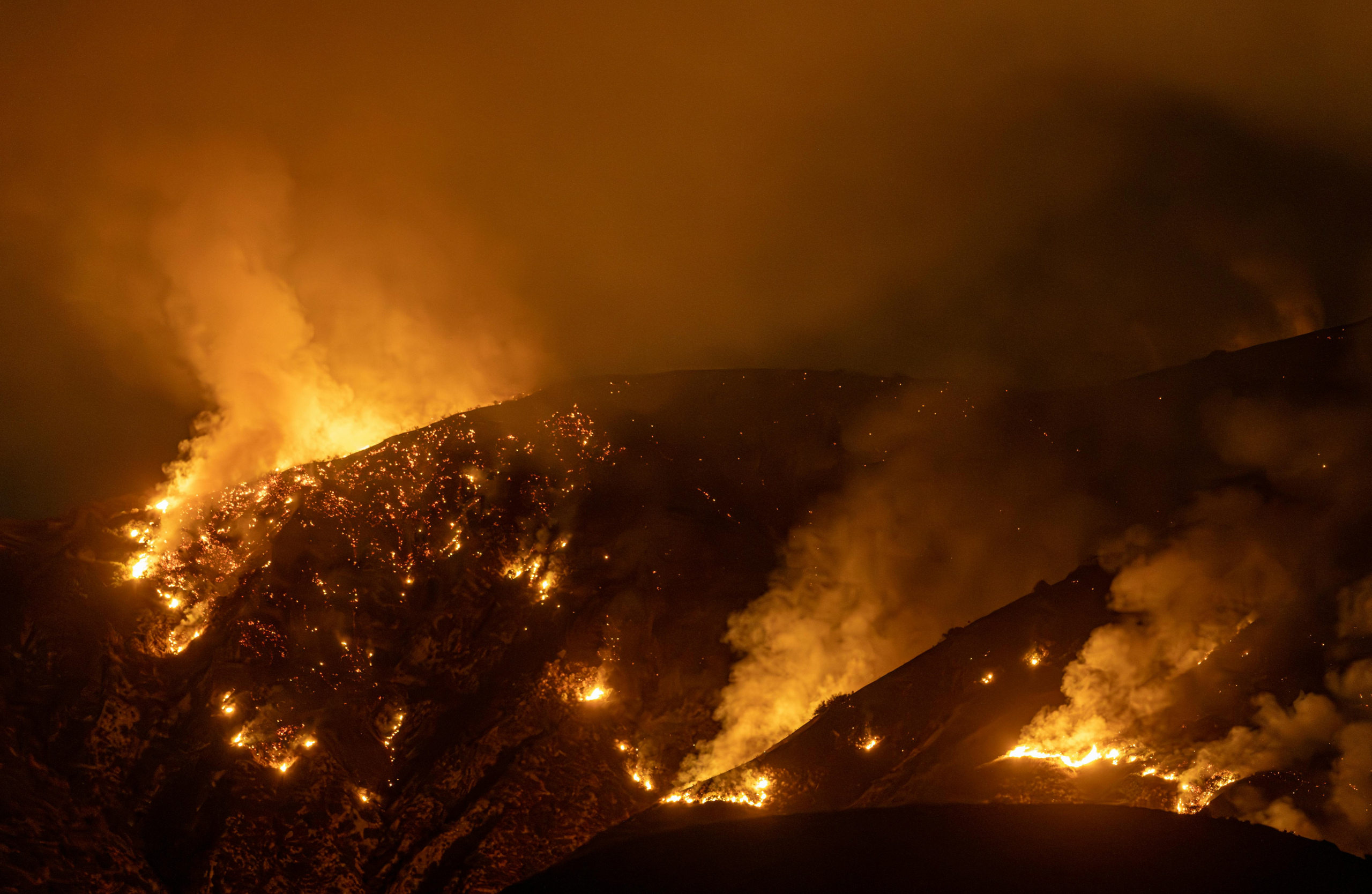
Wildfires have swept through Los Angeles, causing devastation to the environment and forcing thousands to evacuate. An eerily-timed review has also just been released which discusses how the climate crisis is fueling “whiplash” weather events, such as those causing the wildfires.
What does this mean?
Cal Fire reports 124 wildfires that have so far burned more than 40,000 acres of the Los Angeles area since the 7th of January. The disaster is currently ongoing, with the death toll standing at more than 20 and over 100,000 people ordered to evacuate their homes.
The fires spread rapidly as desert-borne, hurricane-force Santa Ana winds of 100 miles per hour send embers flying up to 3 km ahead of the fire. At the time of writing the situation remains critical as high-speed winds intensify, meaning the most dangerous days are still ahead according to fire behaviour analysts.
A combination of unprecedented dry and wet weather led to the devastation of today. Los Angeles experienced extremely dry conditions last year, with record high temperatures and no significant rainfall since May 2024 despite the rainy season normally starting in October. The dried shrubs and grasses are flammable, and once ignited cause wildfires. Two years prior LA saw exceptionally heavy rainfall causing more vegetation to grow, providing more fuel for the fire we’re seeing now.
A review was released just last week in Nature Reviews (Swain et al., 2025) providing evidence for how extreme weather transitions, such as those in LA, are predicted to accelerate with global heating. “Hydroclimate whiplash” is defined as huge transitions between wet and dry climatic events which occur in a short time period.
Some types of whiplash have more than doubled since the mid-twentieth century and are predicted to increase as the climate crisis deepens. These drastic switches between weather extremes are associated with flash floods, disease outbreaks and wildfires.
Why should we care?
An understanding of how extreme weather events interact is key to understanding, predicting and mitigating the climate crisis. There is mounting awareness of how climate change is not just heating, but also driving erratic and extreme weather events, leaving ecosystems, people and infrastructure in a vulnerable position.
The events have provided a dramatic start to the year, particularly as we follow on from the first year to break 1.5 degrees C global heating limit [2024]. Climate anxiety is heightened in the US with president-elect Donald Trump, a renowned climate denier who dangerously spreads climate misinformation, due to take office later this month.
Furthermore the wildfires in Los Angeles provide a humbling reminder that the climate crisis knows no bounds, as wildfires engulf one of the richest areas of the world, seeing celebrities evacuating their homes. Although whiplash weather occurs all over the globe, different countries will vary in their capacity to respond and recover from such events.
Be Curious!
- Read about how you can support those affected by the wildfires in LA by donating, volunteering and educating yourself about the climate crisis
- Read the full study on “Hydroclimate Whiplash”
- Check out this Guardian Editorial piece on Trump and climate denialism
Feature Image Credit: Soly Moses via Pexels.


